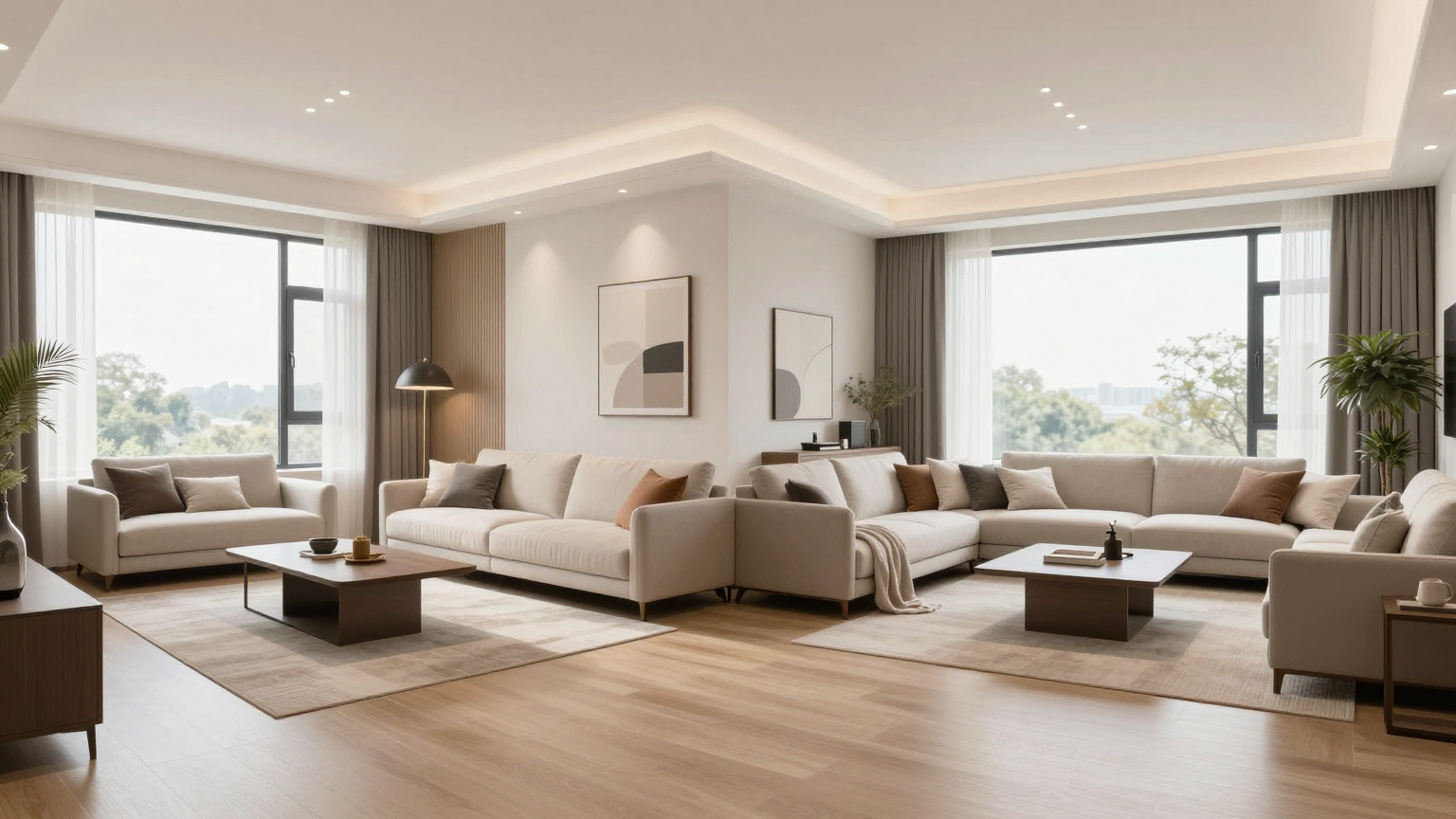
The Future of Sustainable Living: Visualizing Eco-Friendly Interiors with AI
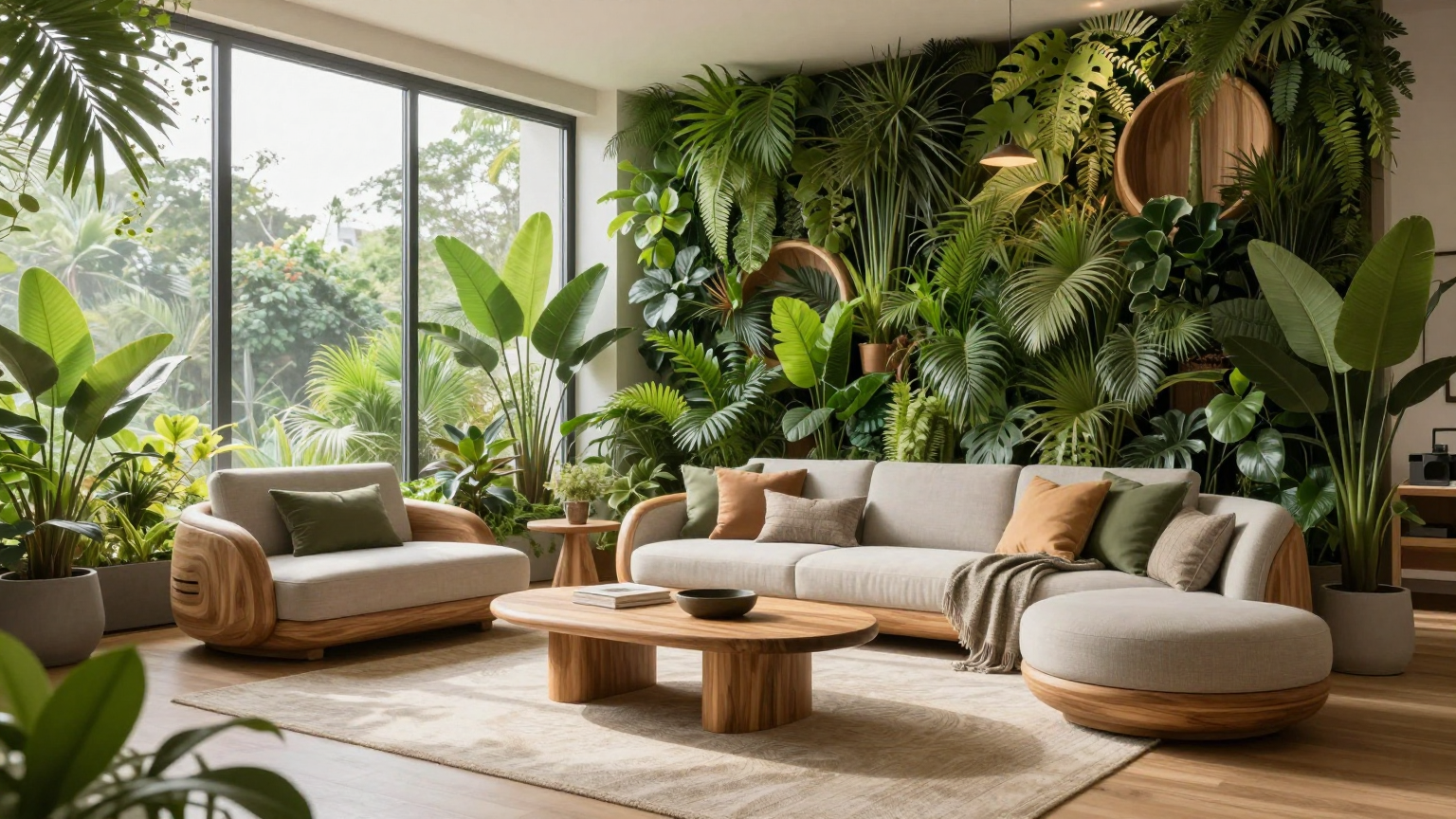
Sustainable interior design begins with thoughtful planning. By using AI visual staging and space redesign, homeowners and design professionals can experiment with biophilic aesthetics, explore low-waste layouts, and preview natural materials before committing budget or tearing into physical walls.
How AI Visualization Enhances Sustainable Interior Planning
Interior design and renovation projects often generate significant material waste through misjudged purchases, discarded physical swatches, and premature demolition. Generative AI tools like QuickDreamViz provide a practical first step: photorealistic spatial prototyping directly from your original room photos.
1. Eliminating the Logistics Footprint of Physical Staging
In traditional real estate marketing and interior staging, furnishing a home requires renting trucks, wrapping furniture in protective plastics, multiple round trips by staging crews, and subsequent de-staging. AI virtual staging replaces this entire logistics chain with digital rendering, reducing transport emissions to zero while helping prospective buyers understand spatial volume.
2. Digital Prototyping Before Physical Purchases
One of the largest sources of residential refurbishment waste is buyer remorse—purchasing oversized sectionals, incompatible cabinetry, or harsh paint palettes that end up replaced or in landfills. Using AI room redesign allows homeowners to:
- Test biophilic concepts: Preview how natural wood tones, potted vegetation, and earth palettes feel under existing window daylight.
- Preserve existing architecture: Discover ways to modernize dated rooms through lighting, wall colors, and decor without unnecessary wall removals.
- Assess furniture proportions: Verify spatial clearances before placing orders with manufacturers.
3. Transparent Boundaries: What AI Does and Does Not Do
It is important to maintain clarity on AI capabilities in the green building space:
- Visual inspiration & spatial testing: QuickDreamViz excels at generating photorealistic interior concepts, virtual staging, and 3D walkthrough videos that preserve room architecture.
- Engineering & thermal performance: AI imagery tools do not perform thermodynamic HVAC load calculations or structural engineering. For verified carbon accounting, energy audits, and LEED certification, homeowners and developers should always work with licensed environmental engineers and certified sustainability contractors.
Conclusion
By shifting early-stage experimentation from physical prototypes to photorealistic AI staging, design teams and homeowners make better-informed decisions, curb material waste, and design spaces built to last.
Key Takeaways
Zero Physical Staging Waste
Eliminate moving truck emissions, single-use furniture packaging, and temporary rentals by visualizing listings 100% digitally.
Prevent Renovation Waste
Test furniture scales, organic color palettes, and layouts beforehand to avoid remorseful returns and discarded materials.
Biophilic Aesthetic Previews
Visualize indoor plants, sunlight interaction, and organic materials (linen, reclaimed oak, micro-cement) in your actual room geometry.
Preserve Structural Bones
Explore cosmetic resurfacing and modern lighting without unnecessary demolition or altering load-bearing architecture.
Cinematic Walkthrough Previews
Preview spatial transitions in 1080p video before hiring contractors or purchasing physical furnishings.
Frequently Asked Questions
How does AI room visualization support eco-friendly interior design?
AI enables digital prototyping from a single photo, allowing homeowners and designers to test furniture proportions, daylight flow, and biophilic textures before making physical purchases or undertaking wasteful demolitions.
What is biophilic design, and how does AI assist it?
Biophilic design integrates natural elements—such as indoor vegetation, organic textures, and daylight optimization—to enhance occupant well-being. AI helps by rendering these elements directly into existing room photos to preview visual harmony.
Does AI replace professional green building energy audits?
No. AI image and video generators are visual planning tools. For formal thermal insulation calculations, HVAC sizing, or LEED/BREEAM compliance, always consult licensed building performance engineers.
How does virtual staging reduce environmental impact compared to traditional staging?
Traditional staging requires diesel moving trucks, temporary plastic packaging, and short-term furniture wear. Virtual staging is completely digital, eliminating transit emissions and single-use staging waste.